Zabaykalsky Foreign Economic Forum “New Horizons-2026”
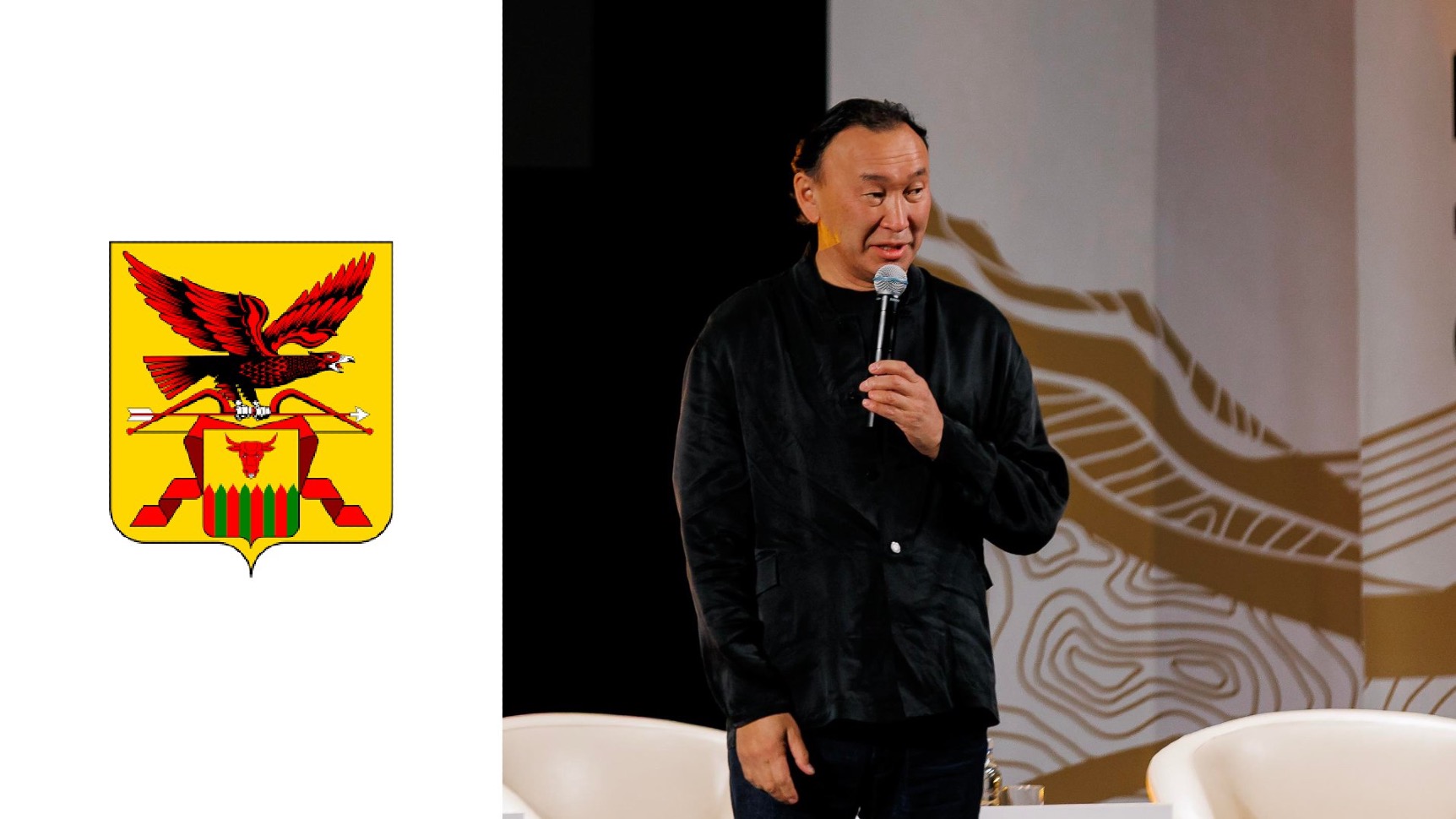
Governor of Zabaykalsky Krai Alexander Osipov and renowned sculptor Dashi Namdakov opened the “New Horizons–2026” forum
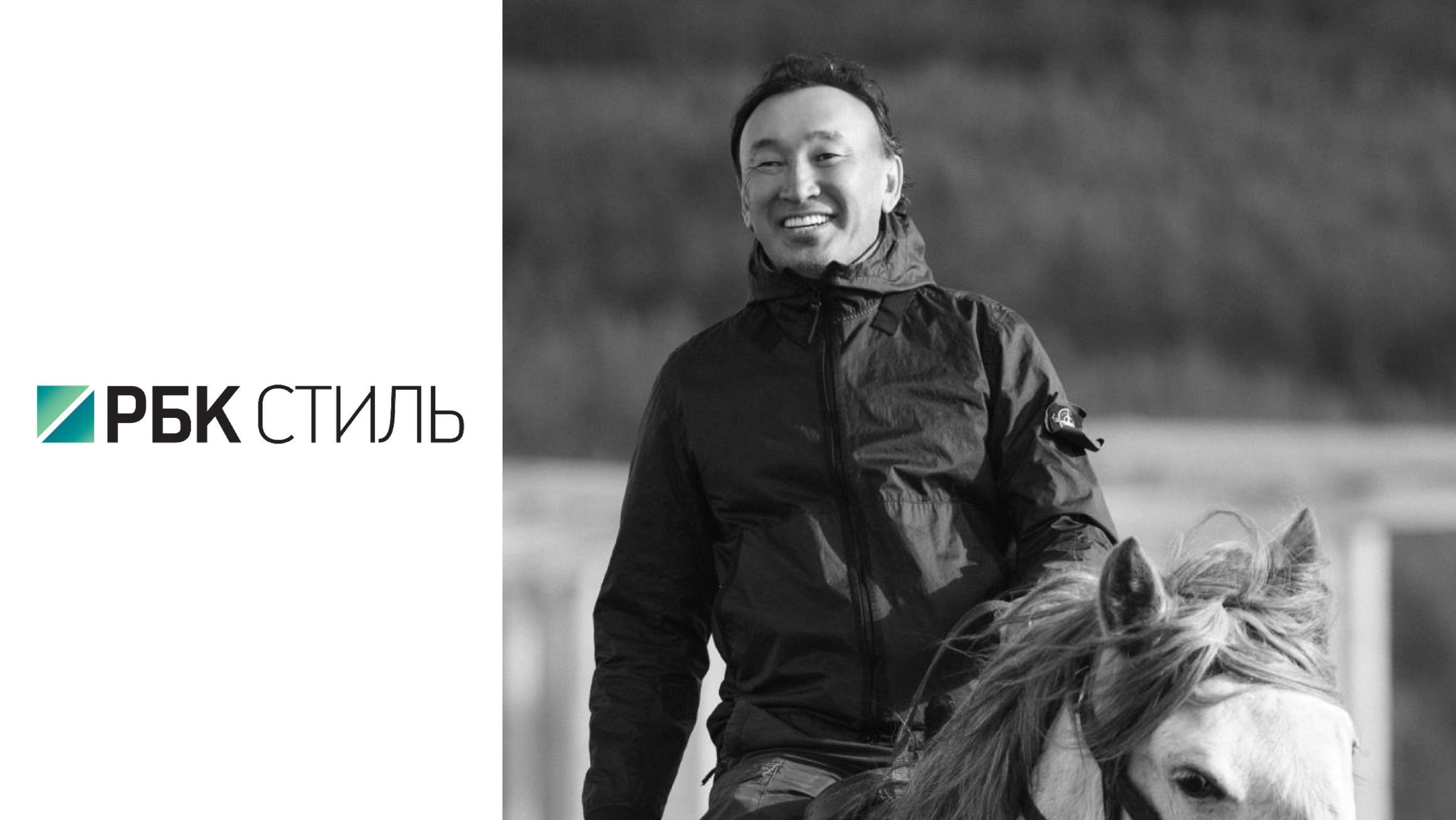
Russia’s leading sculptor Dashi Namdakov was once predicted to become a shaman, but instead chose art — creating sculptures of nomads, warriors, beautiful maidens, wise elders, wild animals, and mythical creatures from bronze, copper, wood, and mammoth tusks. Many of his works are held in the collections of the Hermitage Museum, the Tretyakov Gallery, and the State Historical Museum in Russia, as well as galleries in New York, Los Angeles, Tokyo, Singapore, Paris, Florence, and Beijing. Yet one of his greatest creations today is the land art park “Tuzhi” in his native village in Zabaykalsky Krai. The tiny Siberian taiga village of Ukurik, with only 60 homes, once seemed destined to disappear. It was given a second life by Dashi Namdakov after he returned to Russia from the United Kingdom in 2018.
The “Tuzhi” land art park opened in 2021 in the village of Ukurik, 140 kilometers from Chita.
At the center of the park are Namdakov’s monumental sculptures — “Dolzhid Khatan Ezhi,” “The Guardians,” “Hitching Post,” “Dragon,” and “General.” Seamlessly integrated into the natural landscape, they symbolize the connection between humans and the spirits of their ancestors. The collection continues to expand: in 2025, 13 new sculptures were added.
A modern infrastructure has been built around the artworks, including a cultural center, creative workshops, a restaurant serving traditional cuisine, guest houses, a bathhouse, a spa complex, and a sports area.
“Tuzhi” has become not only a center of contemporary art in Transbaikalia, but also a project dedicated to reviving and preserving traditional Buryat crafts and culture. Visitors can learn about nomadic life, horseback riding, archery, making buuzy dumplings, and participating in national celebrations.
The vast and silent Transbaikal steppe on the border of China and Mongolia is filled with legends, prayers, and ancestral stories. For centuries, nomadic peoples lived here, honoring the forces of nature and their gods, so that even today the stones seem like frozen spirits and the wind carries whispers of ancestors.
It was here, in the village of Ukurik, that Dashi Namdakov was born in 1967. His full name, Dashinima, translates from Buryat as “fortunate sun.” The sixth of eight children, he grew up surrounded by beauty, craftsmanship, and religion. His father worked on a collective farm, but in his spare time he wove carpets, carved and painted Buddhist altars, practiced painting, and taught his son traditional crafts. “From an early age I knew I would become a sculptor,” Dashi recalls. “At the time I didn’t even know such a profession existed, but I felt drawn to three-dimensional forms. Whenever I wasn’t helping around the house, I sat by the stove carving wood with a shoemaker’s knife.”
His journey into the world of art led him to the Krasnoyarsk Art Institute, whose Siberian school he still remembers warmly: “That’s where they taught me the profession. I feel a deep responsibility because of it.”
For many years he worked as a jeweler in Ulan-Ude, investing all his income into expensive bronze — the material that became the hallmark of his “nomadic” sculptural style. Success came in 2000 after an exhibition in Irkutsk, and soon his mystical bronze works captivated audiences across Russia, Europe, Asia, and America. Yet after achieving international recognition, he made a paradoxical decision: to devote his energy and soul to saving the village that had begun to fade away.
“Whenever I felt my strength running out, I would buy a plane ticket and come back to Ukurik,” Dashi says. “I would ride into the taiga, look at the forests and fields, recharge spiritually, and return inspired with new ideas and strength.” One day, hearing his children speaking English fluently to one another, he imagined himself as an old man walking through London with a cane — the only Buryat in the city. “I realized that if we stayed there, we would become a product of globalization, and our children and grandchildren would become anyone except Buryat. I came home and told my wife: ‘Let’s return.’ We boarded a plane together and came back to our homeland.”
Dashi envisioned not simply a museum, but a living cultural space where people could come for several days, with places to stay, eat, explore, and create. By integrating wooden sculptures into the natural landscape of Transbaikalia, Namdakov paid tribute to the inseparable connection between humans and nature — a philosophy he has embraced throughout his life. “For centuries the Buryats knew how to work with leather, wood, and metal, so the entire village came together to build Tuzhi,” he explains. “This land has been blessed by our ancestors. Everywhere you look, our gods support us. This project was necessary so we would not lose our roots.”
In 2021 the land art park opened in Ukurik, transforming the harsh taiga steppe into a space for artistic expression and a destination attracting travelers from across the country. “This year our Tuzhi project turns five years old,” Dashi reflects. “It really feels like a child of our own. We created it with such anticipation and received incredible support.”
In 2023, together with the Moscow Museum of Modern Art, the park launched the “Tuzhi Art” festival, exploring the cultural heritage of nomadic peoples through contemporary artistic practices including performances, sound art, and sculptures that become part of the park’s permanent collection. The festival has since become annual, and Tuzhi has grown into a major cultural platform.
Not everything went smoothly. In 2025, devastating wildfires reached the park and destroyed part of the surrounding forest along with several installations. Yet the park staff, villagers, volunteers, and firefighters managed to stop the flames from spreading deeper into Tuzhi. “Tuzhi survived,” Dashi says. “And when people look at our park, they are inspired. Everyone leaves a part of themselves here and takes a piece of Tuzhi away with them.”
The project continues to grow. In 2025 an eco-trail featuring 12 mythological animal totems representing the Eastern zodiac appeared in the park, along with a ceremonial bell. But the most important figure remains Dolzhid Khatan Ezhi — the “Great Mother,” guardian spirit of the land, seated on a wooden throne in prayer, embodying the boundless respect Buryat culture holds for motherhood.
That same year, a sports center and spa zone opened on the grounds, and to celebrate the park’s fifth anniversary, the team created a special outdoor playground for children.
“Tuzhi is a place where the earth speaks to you and gives you strength,” Dashi says. “You come for a couple of days and feel completely renewed. This land gave birth to me, raised me, and made me an artist. Without the atmosphere of my family and my native village, I would have become a completely different person — and perhaps never a sculptor at all.”
A year after the park opened, Namdakov and his architectural bureau Parsec were invited to develop a large-scale project on the eastern shore of Lake Baikal, in the special economic zone “Baikal Harbor.” The project, called “Amar” — meaning “harmony,” “balance,” and “peace” in Buryat — envisions a scientific museum and research center, a landscape park with land art, artist residencies, and a spiritual center. Several guest houses and the yurt restaurant “Amar” on the shore of Lake Baikal are already open.
“The nature here feels cosmic,” the sculptor says. “The way the land meets the water is breathtaking, and time flows differently here. My mission is once again to create an entire world — carefully, without arguing with nature, and with deep respect for the place and its heritage.”
Governor of Zabaykalsky Krai Alexander Osipov and renowned sculptor Dashi Namdakov opened the “New Horizons–2026” forum
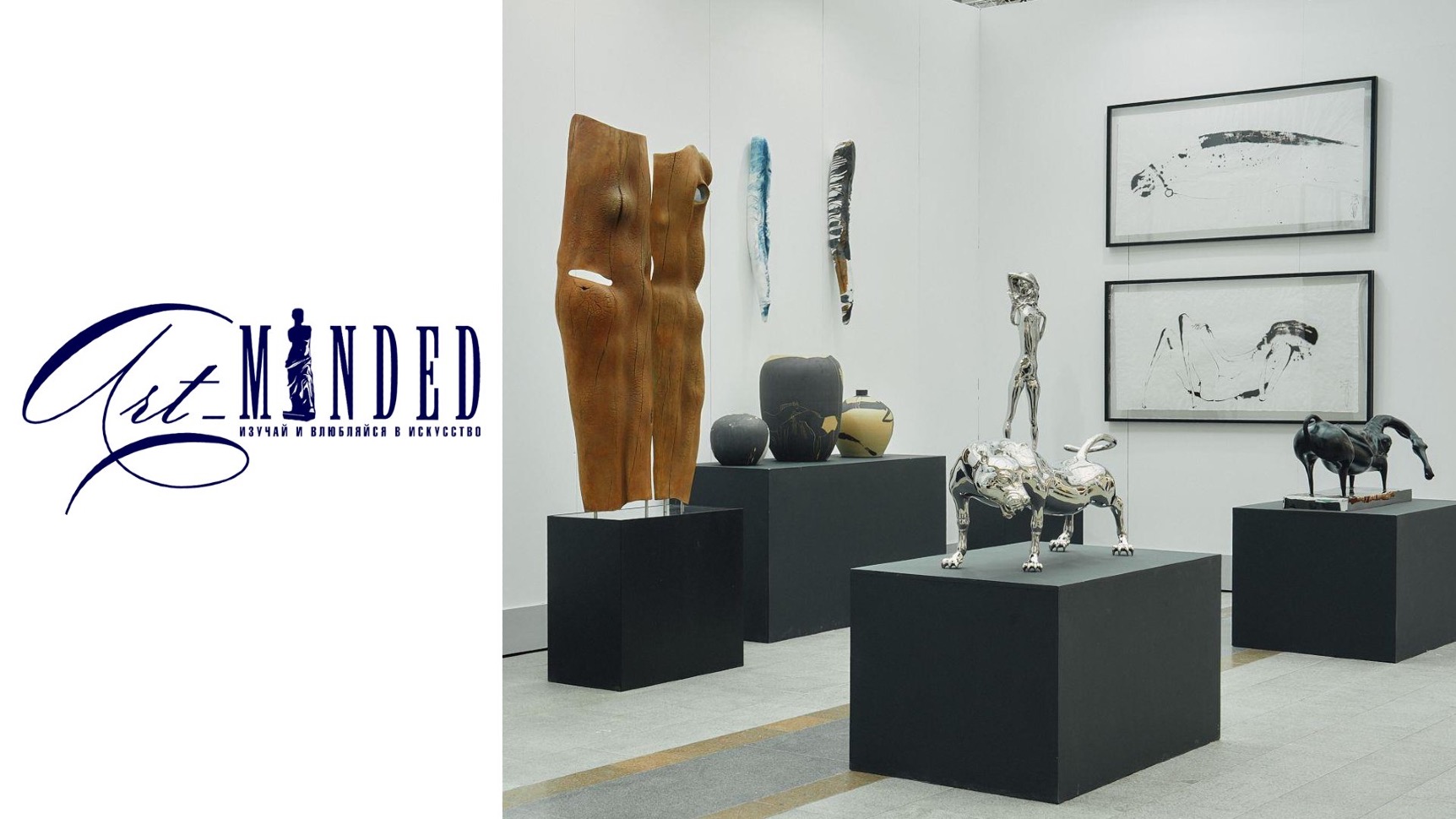
The 23rd ART MOSCOW art fair will take place from April 22 to 26 at the historic Gostiny Dvor exhibition complex. In 2026, the fair celebrates its 30th anniversary: ART MOSCOW first opened in 1996, becoming the first contemporary art fair in Russia. In this юбилейный year, the exhibition promises to be the largest in the fair’s history. ART MOSCOW is a platform for high art, encompassing all направления and key milestones in the evolution of visual culture