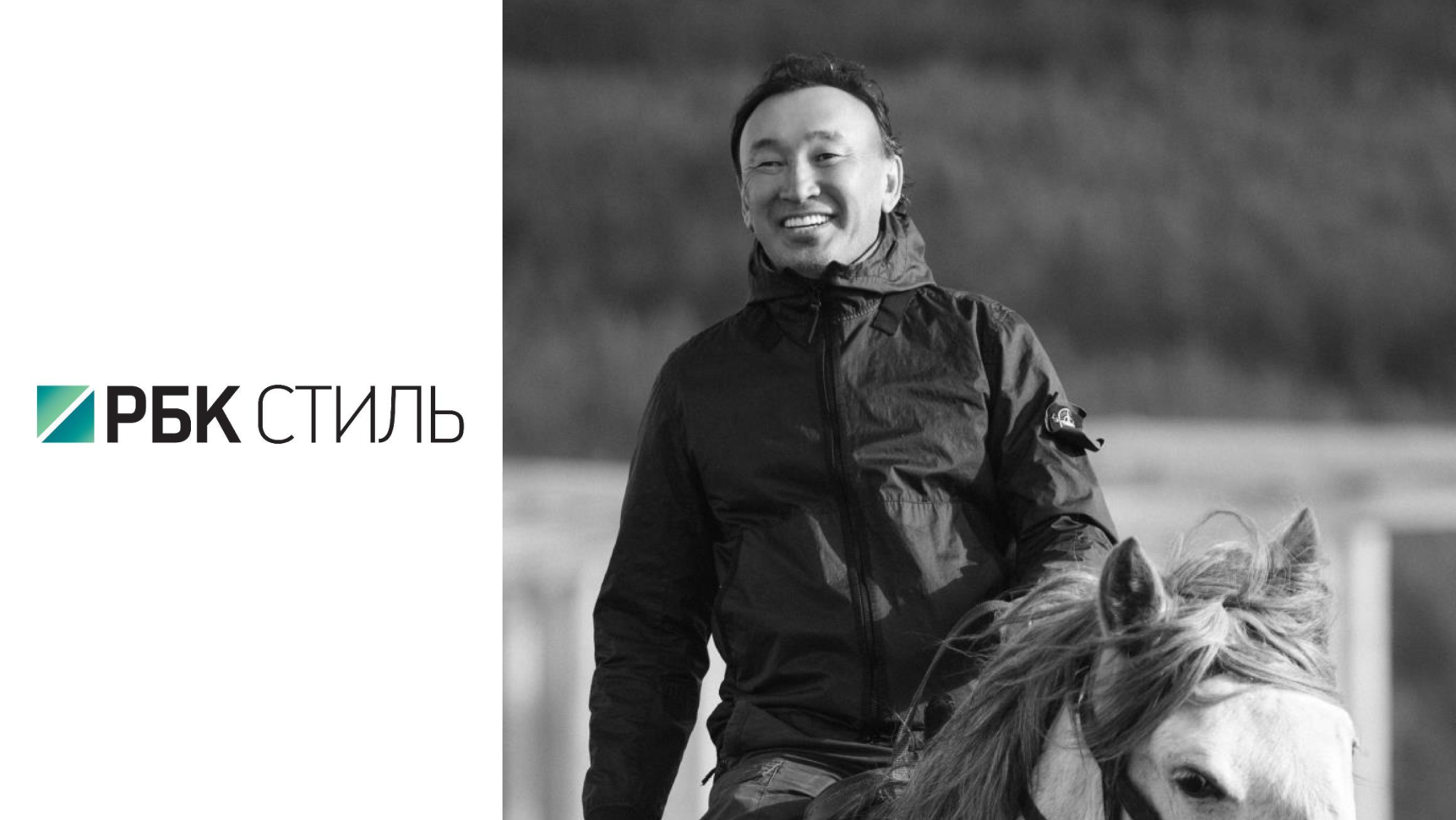
Dashi Namdakov, the land art park “Tuzhi” in Zabaykalsky Krai
He saw the potential in his native village to create an art cluster that could become a destination for tourists
ART PARK “TUJI”
Zabaykalsky Krai
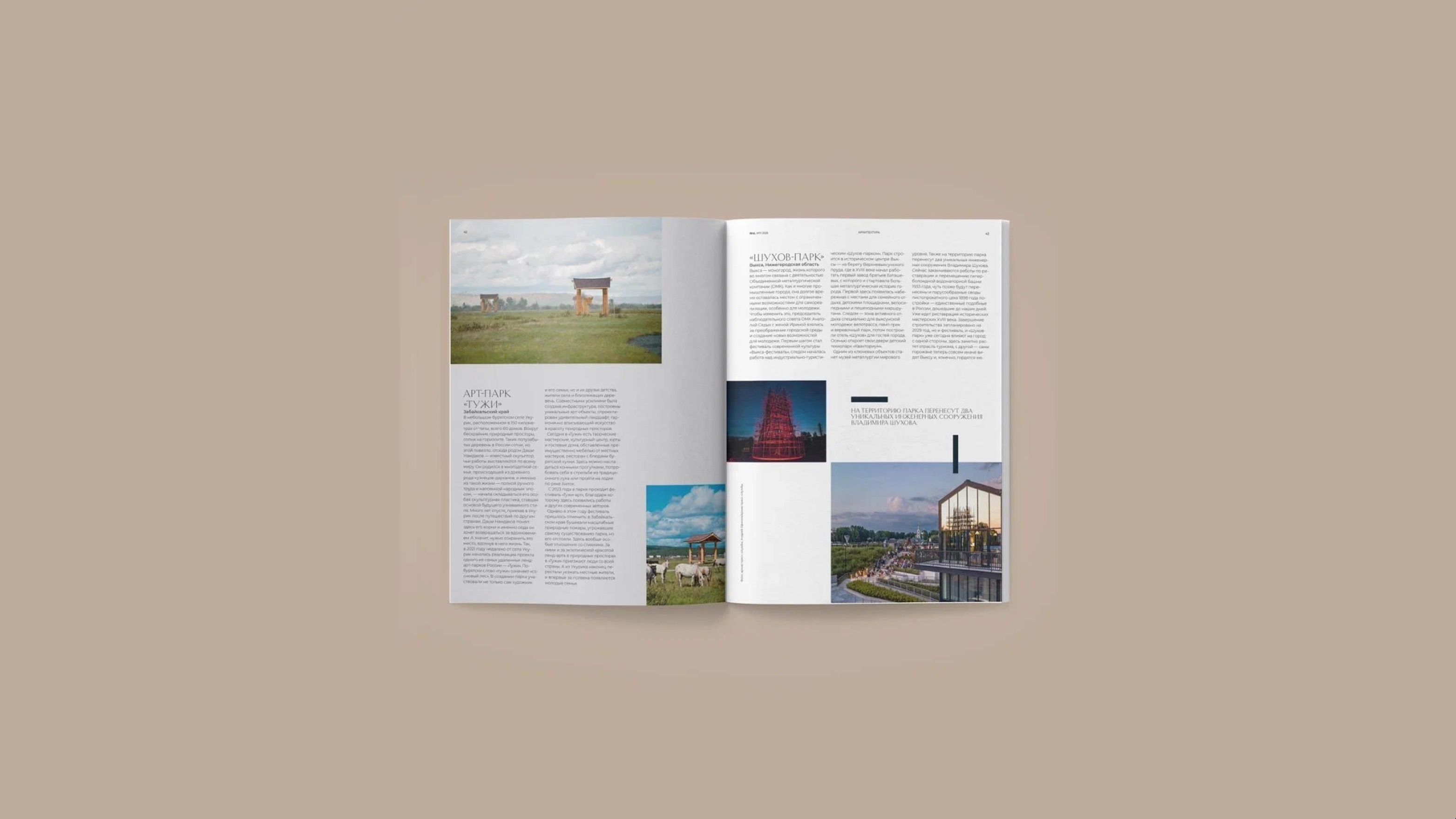
In the small Buryat village of Ukurik, located 150 kilometers from Chita, there are only 60 houses. Surrounding it are vast natural expanses, with rolling hills stretching across the horizon. There are hundreds of such semi-forgotten villages in Russia, but this one was fortunate: it is the birthplace of Dashi Namdakov, a renowned sculptor whose works are exhibited around the world. He was born into a large family descending from an ancient lineage of blacksmiths—darkhans—and it was precisely this kind of life—filled with manual labor and steeped in folk epics—that shaped his distinctive sculptural language, which later became the foundation of his recognizable style. Many years later, returning to Ukurik after traveling abroad, Dashi Namdakov realized that this was where his roots lay—and where he wanted to return for inspiration. And so, it became essential to preserve this place by breathing new life into it.
Thus, in 2021, near the village of Ukurik, the development of one of Russia’s most remote land art parks—“Tuji”—began. In Buryat, the word “tuji” means “pine forest.” The park was created not only by the artist and his family, but also by their childhood friends, as well as residents of the village and nearby settlements. Through their collective efforts, infrastructure was developed, unique art objects were constructed, and a remarkable landscape was designed—one that harmoniously integrates art into the beauty of the natural surroundings.
Today, Tuji features creative workshops, a cultural center, yurts and guest houses furnished primarily with pieces made by local craftsmen, and a restaurant serving Buryat cuisine. Visitors can enjoy horseback riding, try traditional archery, or take a boat ride along the Khilok River.
Since 2023, the park has hosted the Tuji Art Festival, which has brought works by other contemporary artists to the site. However, this year the festival had to be canceled due to large-scale wildfires in Zabaykalsky Krai that threatened the very existence of the park—but it was ultimately saved. There is, in general, a special relationship with the elements here. People from all over the country come to Tuji both for this connection and for the exotic beauty of land art set within natural landscapes. Meanwhile, residents have finally stopped leaving Ukurik, and for the first time in half a century, young families are beginning to settle there.
He saw the potential in his native village to create an art cluster that could become a destination for tourists
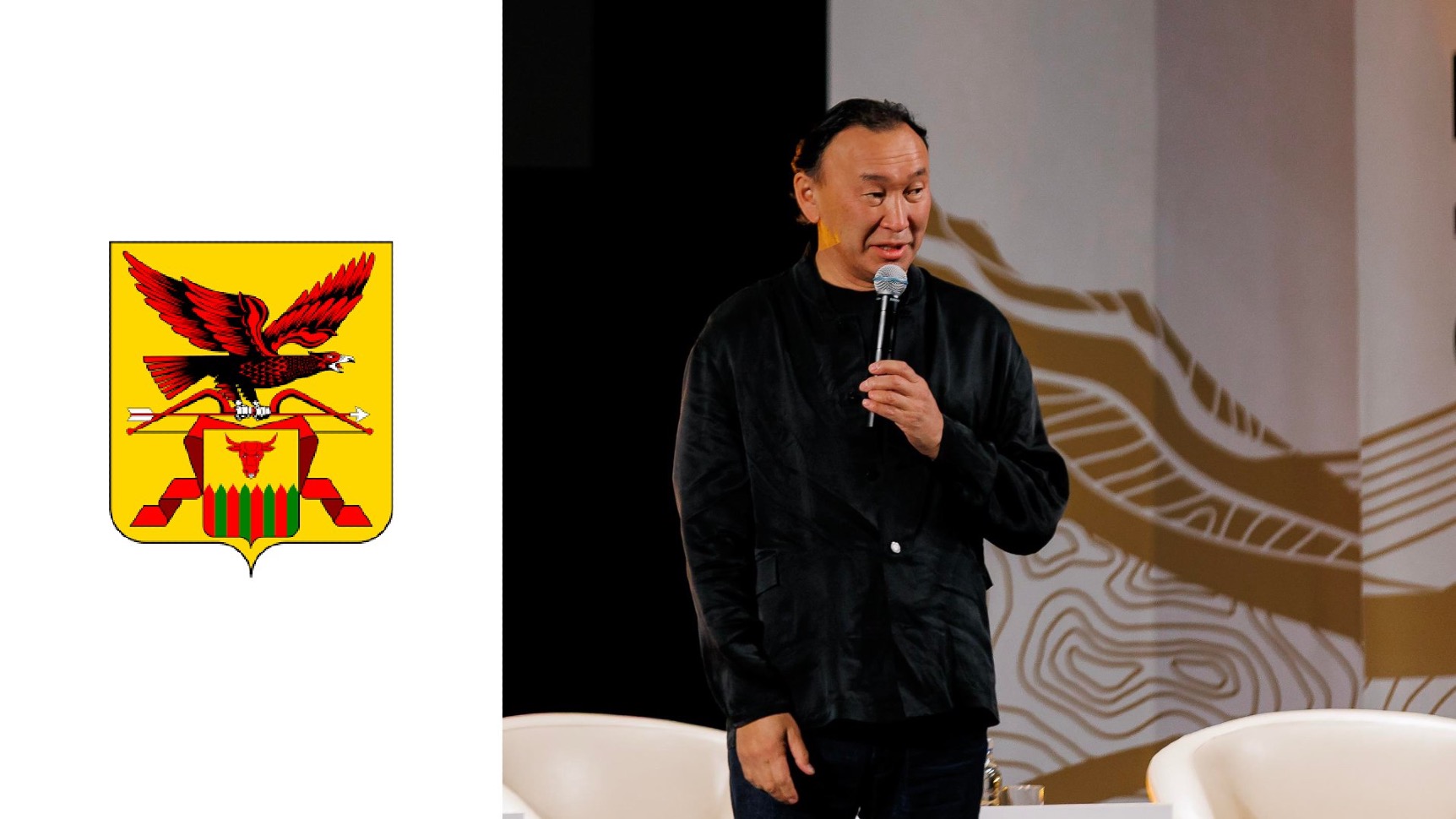
Governor of Zabaykalsky Krai Alexander Osipov and renowned sculptor Dashi Namdakov opened the “New Horizons–2026” forum
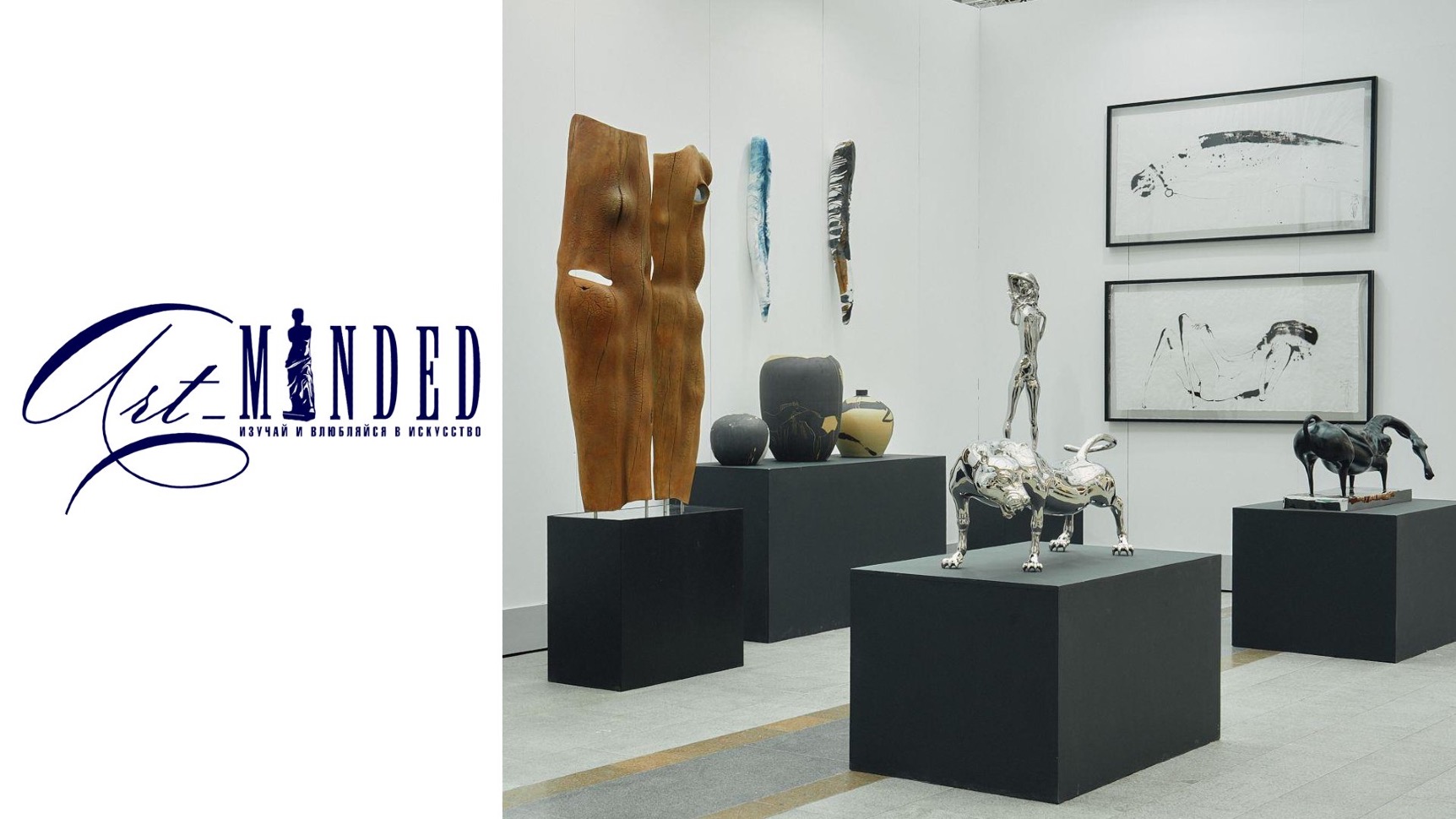
The 23rd ART MOSCOW art fair will take place from April 22 to 26 at the historic Gostiny Dvor exhibition complex. In 2026, the fair celebrates its 30th anniversary: ART MOSCOW first opened in 1996, becoming the first contemporary art fair in Russia. In this юбилейный year, the exhibition promises to be the largest in the fair’s history. ART MOSCOW is a platform for high art, encompassing all направления and key milestones in the evolution of visual culture